
How AI-based technology helps technicians’ videos make the grade, spur service revenue growth
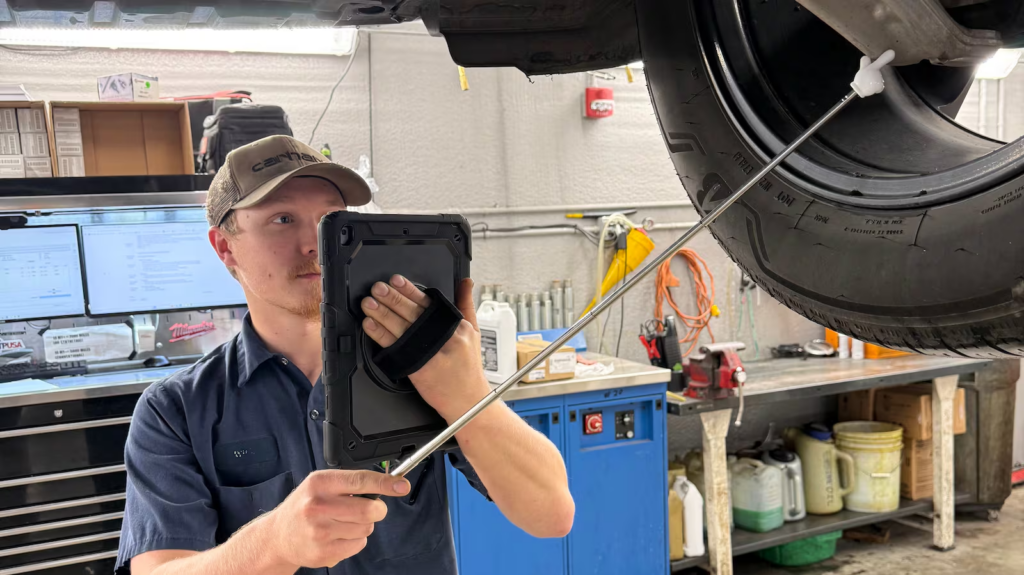
Multipoint inspection videos taken by technicians at Patterson Autos used to include too many plot holes. But equipped with new video-grading technology that’s powered by artificial intelligence and machine learning, the technicians have significantly improved their video-making skills — and amped up fixed ops revenue at the auto group’s five stores in Orange County, Calif. The technicians use the […]

Multipoint inspection videos taken by technicians at Patterson Autos used to include too many plot holes.
But equipped with new video-grading technology that’s powered by artificial intelligence and machine learning, the technicians have significantly improved their video-making skills — and amped up fixed ops revenue at the auto group’s five stores in Orange County, Calif.
The technicians use the Video Quality Score tool from TruVideo. Think of it as a platform like Rotten Tomatoes for the service and parts set. It automatically reviews videos for content and quality based on specific — and customizable — criteria, and grades them on a scale of 1 to 100.
The result? Better, more-professional videos that hit designated touchpoints and build trust with customers. Subsequently, they’re more inclined to accept recommended maintenance work, said John Patterson, principal and president of Patterson Autos.
“Doing videos without grading them is insanity,” he said. “Without video quality, there’s less benefit. The better the video, the better the message that’s delivered to customers.”
The quality of videos makes a difference, said Garrett Jockel, vice president of product at myKaarma. For example, he pointed to a pilot video-grading program at 10 stores — part of a large dealership group — that started in November. At the start, the average sale of additional work was $174 per repair order. By February, the average increased to $196 per repair order, he said.
Tim Clark, director of fixed operations at the Auffenberg Dealer Group, which owns seven stores in Illinois, concurs that video quality makes a difference. The stores use the Tech Video Grader from myKaarma.
Before adopting the technology, service managers only knew whether the 95 technicians at all seven stores were taking videos and sending them to customers — as well as the number of customers that viewed the videos. The technicians take about 8,000 videos per month.
“But the overall quality of the videos was left in limbo unless service managers could review them every day,” he told Automotive News. “And even then, grading them is a bit subjective. Is one service manager’s opinion of what makes a good video the same as another service manager’s opinion?”
Before the stores started using Tech Video Grader, 61 percent of Auffenberg customers viewed the videos. Now 76 percent do, Clark said.
“If the videos are good, more customers will watch them,” he said.
Read the entire article by Ken Wysocky on Automotive News here.
Dealer Outcomes