

The multi-point inspection process, step by step
Service Growth Platform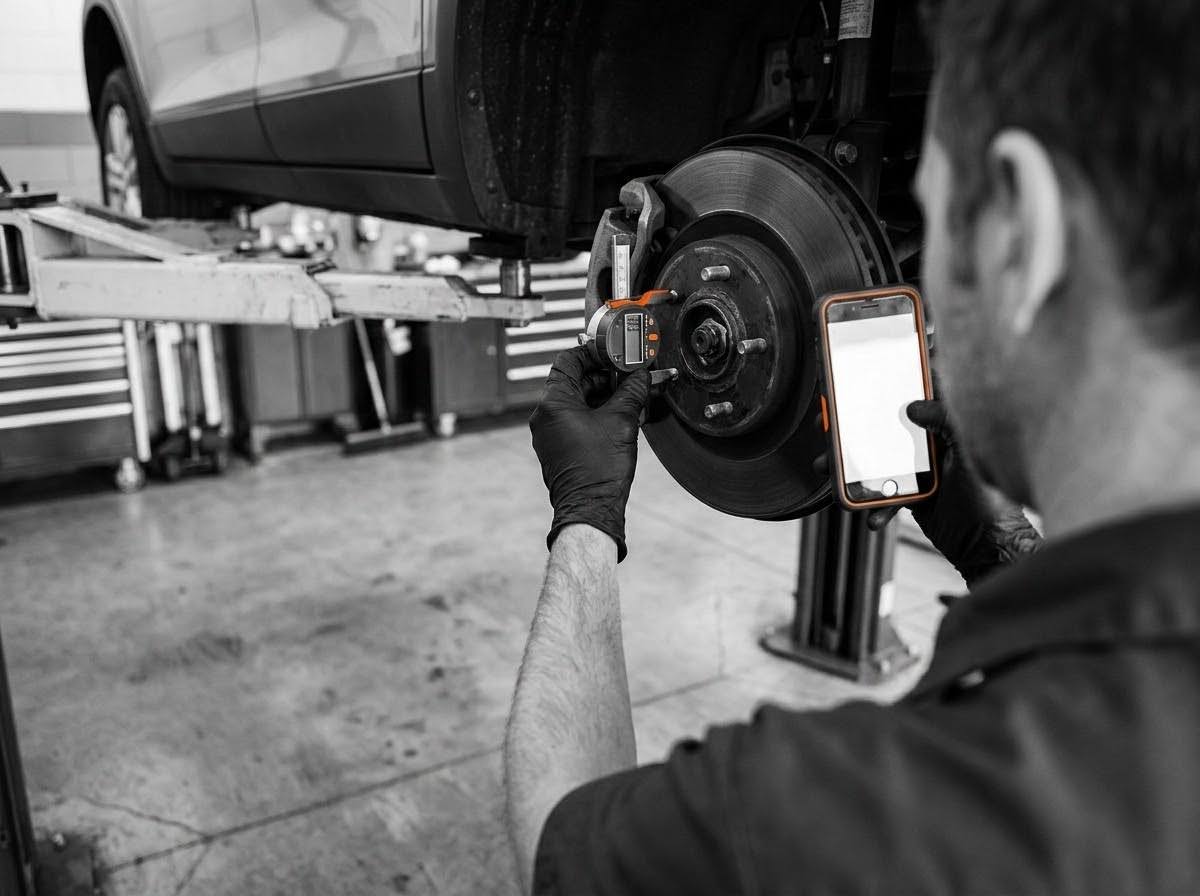
A multi-point inspection (MPI) can identify legitimate service needs on every vehicle, but those recommendations still require a clear approval process before they become approved work. When technicians, advisors, and customers receive different information, or receive it too late, the dealership loses time and customers have less confidence in the recommendation.
A strong multi-point inspection process connects the technician’s findings, supporting evidence, pricing, and customer decision. That connection helps your team move from inspection to approval without rebuilding the story at every handoff.
- Use the correct inspection workflow for the vehicle and repair order.
- Record measurements and supporting evidence instead of relying on general condition labels.
- Present recommendations in language the customer can understand.
- Track every approval or decline so the repair order and future follow-up remain current.
What a multi-point inspection does for the repair order
A multi-point inspection is a systematic review of a vehicle’s condition during a dealership service visit. The technician follows a defined vehicle inspection checklist, records findings, and identifies maintenance or repair recommendations for the advisor and customer.
The process has two jobs. First, it gives technicians a consistent way to inspect and document the vehicle. Second, it gives customers enough information to make an informed decision about recommended work.
A completed checklist alone does not guarantee either outcome. A vague red, yellow, or green status may tell the customer that an item needs attention without explaining what the technician found, how the condition was measured, or why action is recommended. The process works better when every recommendation connects the finding to clear evidence and a specific next step.
The multi-point inspection process, step by step
Building customer trust takes time, but high quality communications, realistic estimates, and timely communication ensures that your service lane visits provide the best experience for new and returning customers.
Start with the repair order and the correct checklist
Confirm the vehicle, mileage, customer concerns, requested services, and applicable inspection workflow before beginning. Your dealership may use different checklists for customer-pay work, express service, reconditioning, fleet vehicles, or specific vehicle types.
Inspect the vehicle in a consistent order
Technicians should follow the same physical sequence whenever possible. A repeatable path reduces missed items and makes the process easier to train, audit, and improve. Your dealership and original equipment manufacturer requirements should determine the exact inspection points and thresholds.
Classify each finding and build the recommendation
Each inspection item should show whether it passed, requires monitoring, or needs attention. When service is recommended, the record should explain the observed condition and the work needed to address it.
The recommendation should also distinguish between work that requires immediate attention and maintenance that can be planned for a future visit. That distinction helps the advisor present the finding accurately without making every item sound equally urgent.
Capture useful photos or video
Visual evidence gives the customer information they cannot see from the waiting room, office, or home. A technician can show the affected component, point to visible wear, and include a measurement when it supports the recommendation.
A useful video stays focused on the customer’s vehicle and the specific findings. The technician should identify the item, show the condition clearly, explain why it matters in familiar language, and state the recommended next step.
Review the inspection before sending it
The advisor should confirm that the recommendations, evidence, descriptions, and pricing are complete before presenting the MPI. This review can catch unclear wording, missing media, duplicate recommendations, or information that does not match the repair order.
Present the findings and make the decision simple
Send the customer a clear, mobile-friendly inspection that connects each recommendation with its supporting information and price. The customer should be able to review the findings and communicate an approval or decline without repeating the entire conversation by phone.
If the customer has questions, the advisor should be able to respond with the same repair-order context instead of searching through separate inspection forms, media files, and messages.
Update the repair order and retain declined work
Approved recommendations should move into the repair-order workflow without unnecessary re-entry. Declined items should remain associated with the customer and vehicle so your dealership can support future maintenance conversations and authorized follow-up.
This final step gives advisors, managers, and BDC staff a reliable record of what the customer saw and decided.
Why video helps customers approve needed work
Customers often have to evaluate a recommendation without standing next to the vehicle. A checklist can report the result, but video lets the technician show the condition and explain how it led to the recommendation.
The quality of the explanation matters more than simply attaching media. A long vehicle tour without clear findings adds time without helping the customer decide. An effective video focuses on the affected area, shows relevant evidence, avoids unnecessary technical language, and gives the customer a clear next step.
Clearer evidence can help advisors spend less time reconstructing the technician’s explanation. It can also support stronger average repair orders when the inspection identifies legitimate needs and give customers more confidence in returning for future customer-pay service.
How myKaarma helps you turn inspections into approved work
A connected digital MPI process keeps the checklist, technician evidence, recommendations, pricing, customer communication, and approval decision tied to the repair order.
myKaarma’s ServiceCart Premium Video MPI supports customizable inspection workflows for needs such as customer-pay service, express work, fleet vehicles, and reconditioning. Technicians can complete inspections and capture photos or video from a mobile device, while customers receive a visual presentation of the findings and recommendations.
The connected workflow also helps your team see where repair orders stand and reduces the need to re-enter inspection information into the dealer management system. For dealerships using Tech Video Grader, AI-supported review can evaluate technician videos for clarity and completeness and provide coaching feedback. Availability and packaging should be confirmed for each dealership.

See how myKaarma works
Request a demo to see how myKaarma can connect digital inspections, technician video, customer communication, and approvals
Subscribe for Updates
Get updates from the myKaarma team about service growth and fixed ops technology.
Recent


What is a service growth platform?
Aug 24, 2026

Service Scheduling Software for Dealerships
Aug 24, 2026